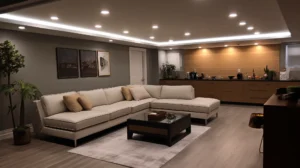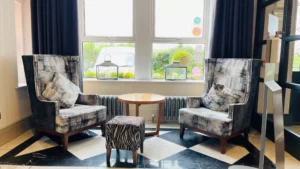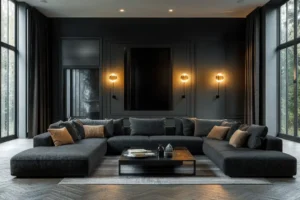
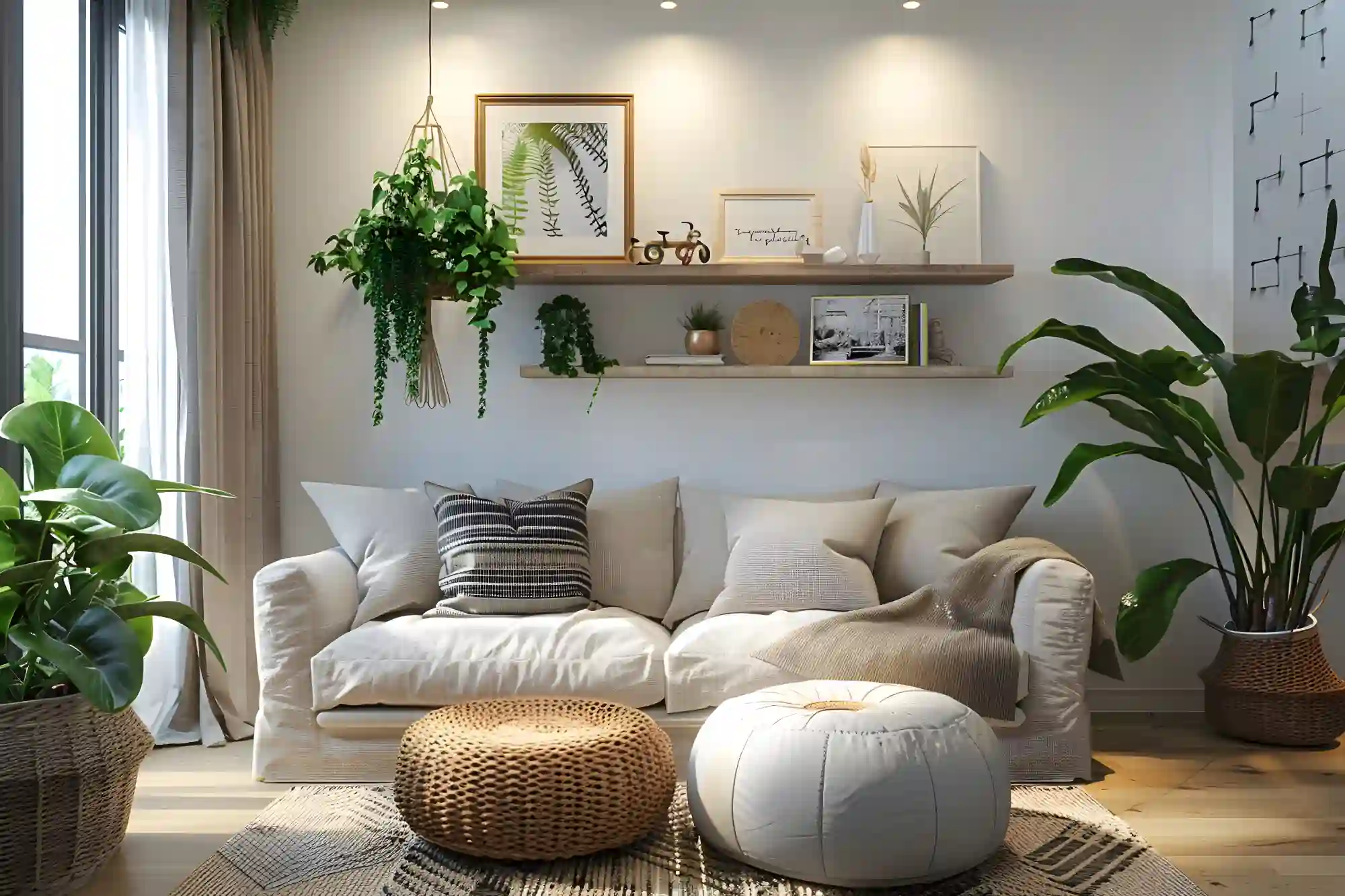
Small living room paint ideas can transform a cramped space into a bright, inviting retreat.
Choosing the wrong color can make the room feel smaller, dark, and uninviting, while the right shades expand and energize the area.
The challenge is balancing light, accent tones, and textures without overwhelming a small space. Bold colors are tempting, but they must be used strategically to create harmony and style.
With thoughtful selection of light neutrals, pops of accent color, and clever techniques like color blocking or ombre walls, your small living room can look bigger, fresher, and full of personality.
Table of Contents
1. Light Neutral Walls
Using light neutral tones like soft white, cream, beige, or light gray is one of the most effective ways to make a small living room feel larger and more open. Neutral walls reflect natural light, which brightens every corner and creates an airy, inviting atmosphere.
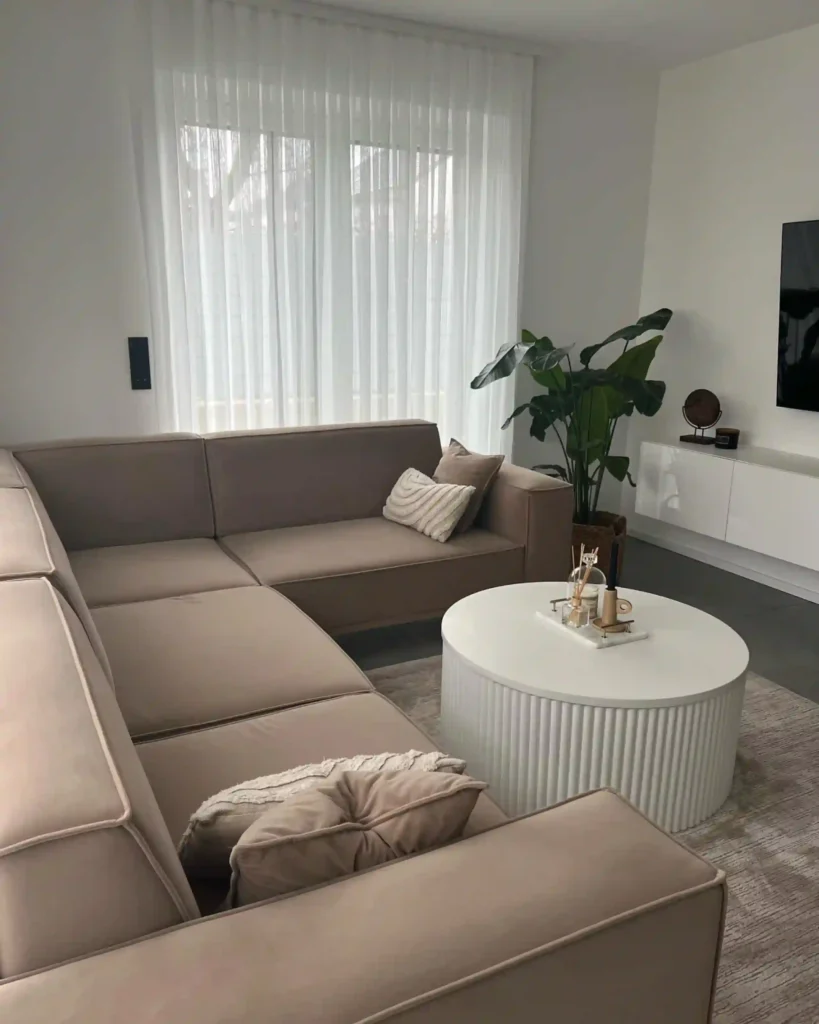
Pair with minimal furniture and subtle accents to enhance the spacious feel. Light neutrals also provide a versatile backdrop, making it easy to swap décor, rugs, and cushions without needing to repaint. This timeless approach works in both modern and traditional interiors, keeping your small living room elegant yet cozy.
2. Soft Pastels for Small Spaces
Soft pastels like mint green, blush pink, pale blue, and lavender can instantly add character without overwhelming the room. These shades are light enough to keep the space feeling open but add just enough color to create a calming, cheerful environment.
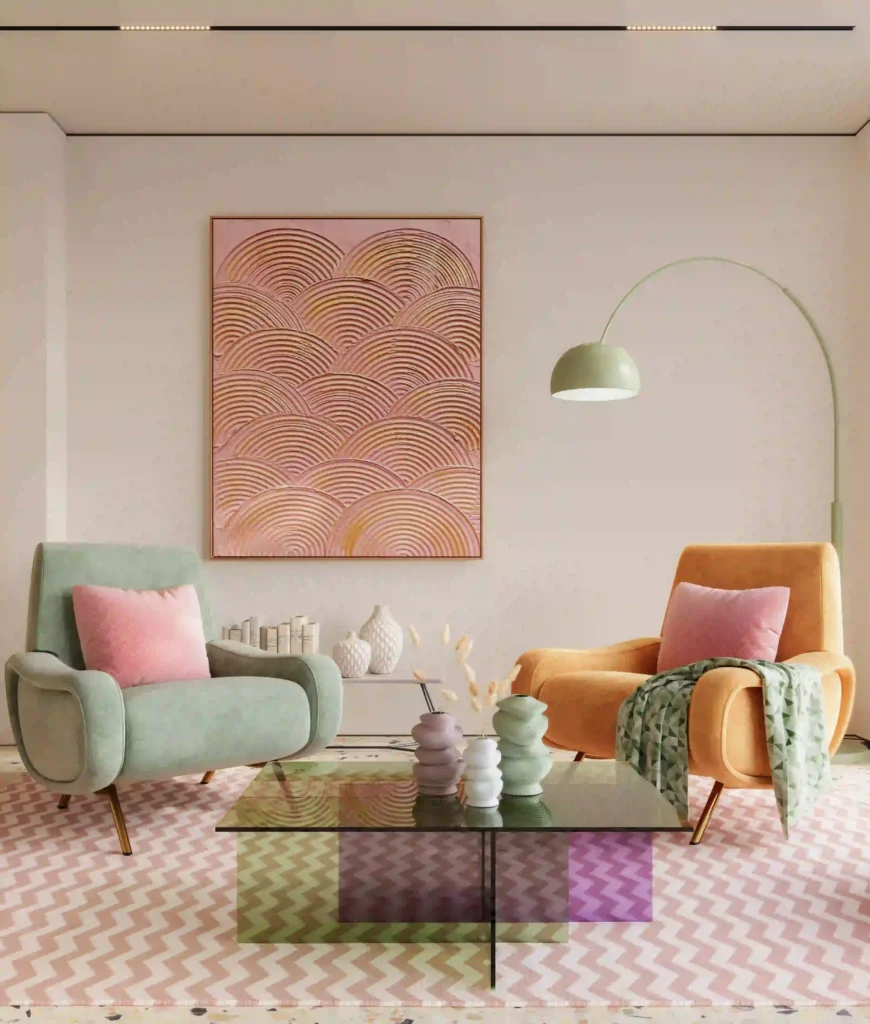
Pastels work especially well in small living rooms with lots of natural light, as they reflect brightness while giving the walls subtle visual interest. Pair pastel walls with wooden or neutral furniture to maintain balance and harmony in your layout.
3. Bold Accent Walls
A bold accent wall can transform a small living room by creating depth and drawing attention to a specific area, such as behind the sofa or TV. Colors like navy blue, emerald green, burnt orange, or deep teal make the space feel dynamic without overcrowding it.
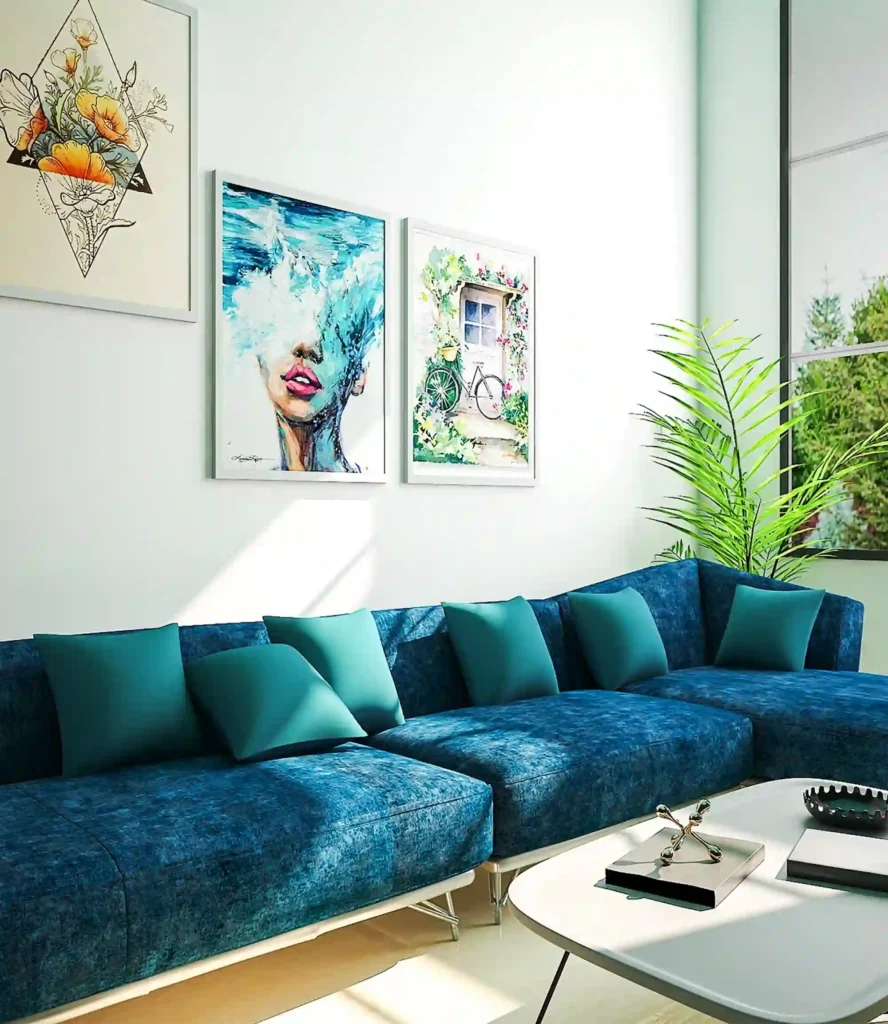
To avoid making the room feel heavy, use the accent on a single wall while keeping other walls neutral. Accents can also highlight architectural features like fireplaces, shelves, or artwork, making the room visually appealing and balanced.
4. Two-Tone or Color Blocking Ideas
Two-tone walls or color blocking divides the wall into two complementary shades, such as light on top and darker below. This technique adds dimension and creates the illusion of higher ceilings or deeper space.
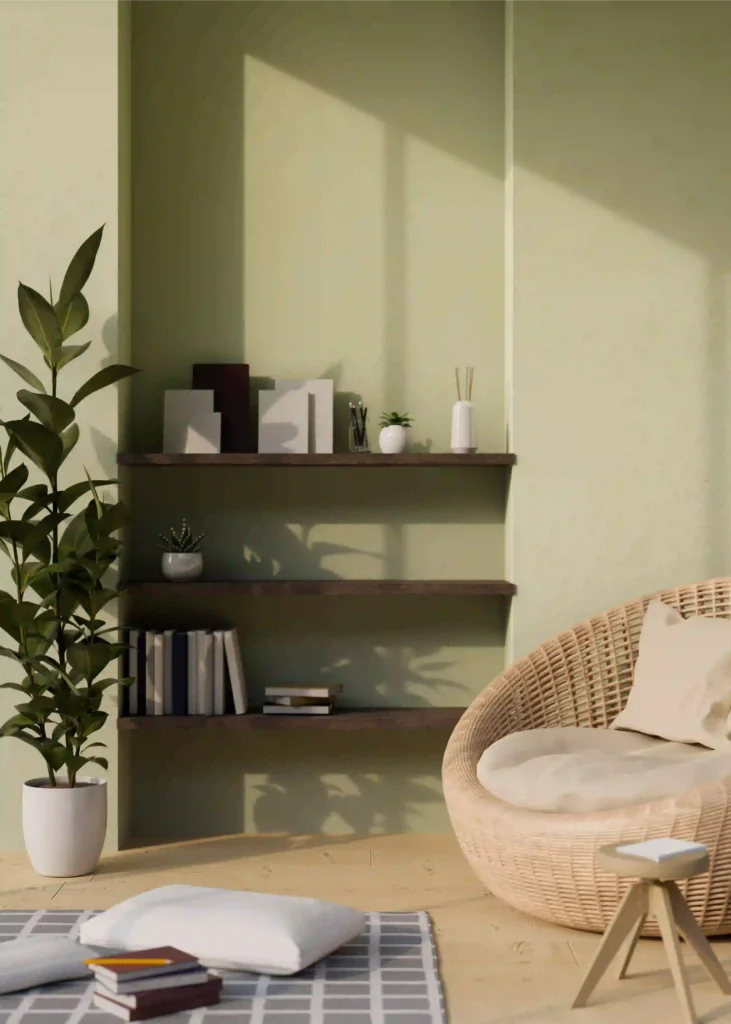
It’s especially useful in small living rooms where you want a unique design element without overwhelming the space. Use soft neutrals paired with muted shades or pastel tones to maintain a cozy and visually open feel. Color blocking also gives you flexibility to highlight furniture or décor against one of the wall colors.
5. Ombre and Gradient Wall Effects
Ombre walls create a subtle gradient from light to slightly darker tones, which can make ceilings feel higher and walls appear longer. It adds softness and artistic depth to the room without taking up floor space.
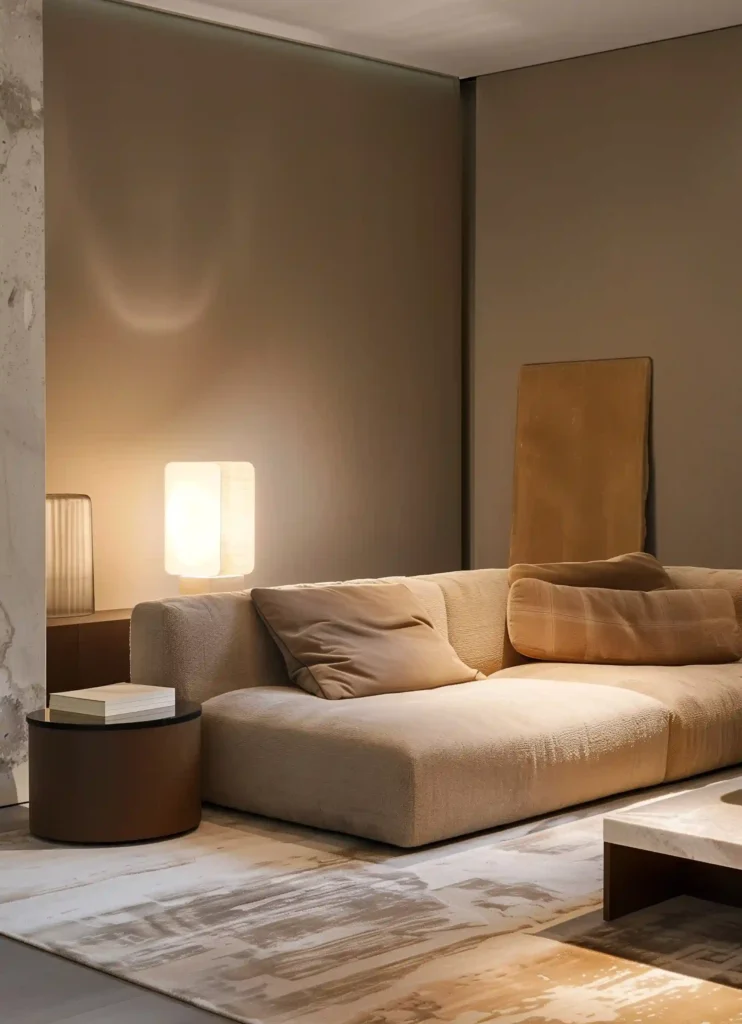
This effect works well behind the sofa or main seating area and pairs beautifully with neutral furniture. Ombre finishes can be done with paint or wallpaper, creating a smooth transition that adds elegance and a sense of openness to small living rooms.
6. Textured Wall Finishes
Textured walls using Venetian plaster, stucco, or textured paint rollers add personality to your small living room without requiring bold colors. Texture adds depth and visual interest while keeping the palette light and airy.
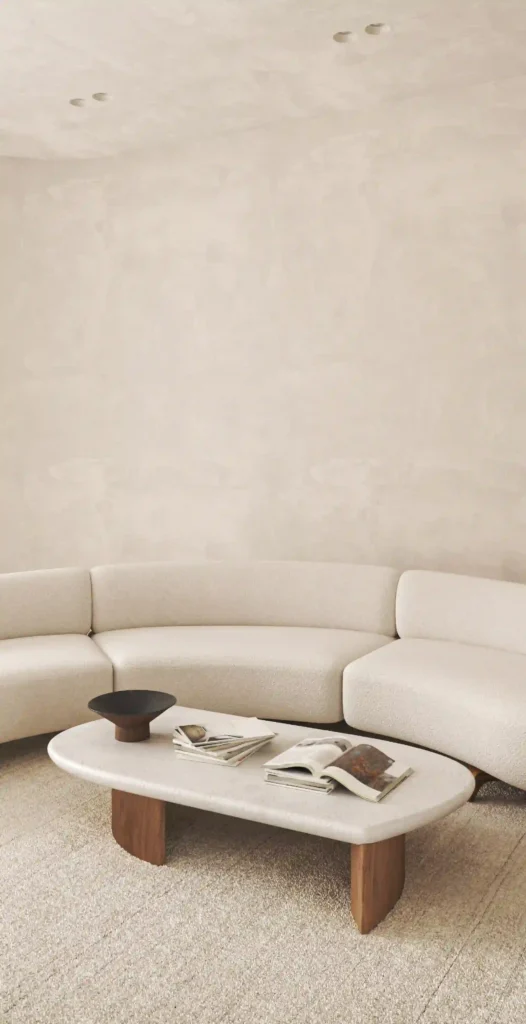
It’s ideal for creating focal points or highlighting a feature wall behind a sofa or entertainment area. Combined with neutral furniture, rugs, and soft lighting, textured walls elevate the design sophistication of small living rooms, making them feel cozy yet stylish.
7. Highlighting Architectural Features
Architectural features like beams, moldings, or fireplace walls can be emphasized with paint to create visual interest. Using contrasting or complementary colors highlights these features, giving your small living room character and depth.
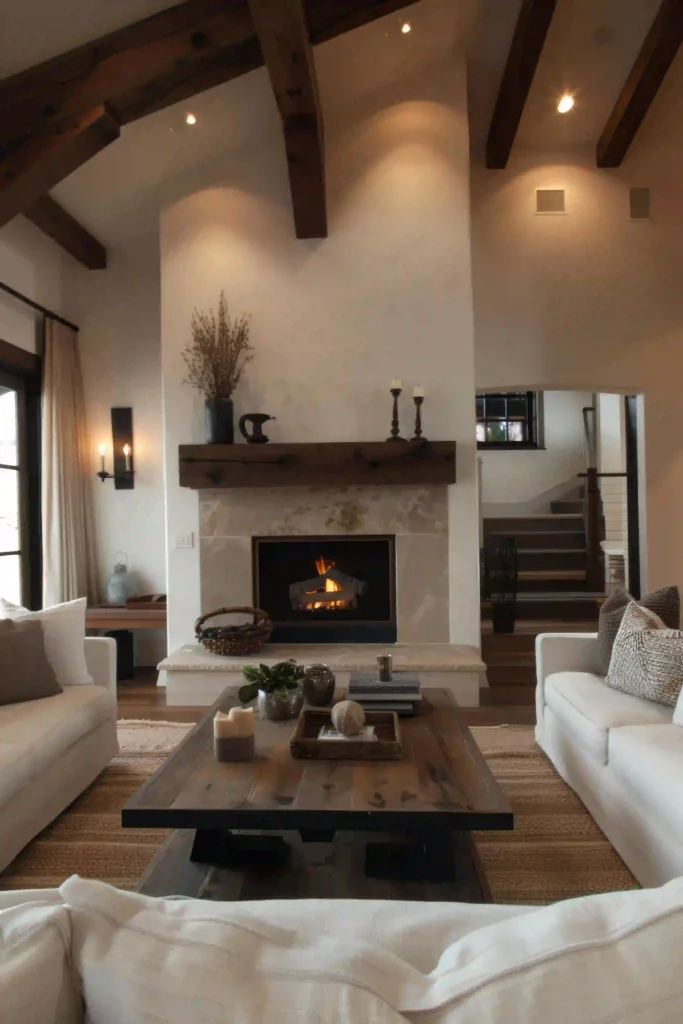
This technique also draws attention to vertical lines, making the room appear taller. Even subtle changes like painting window trims or niches in soft accent colors can dramatically improve a small room’s aesthetic appeal.
8. Painting Ceiling for Extra Height
Painting ceilings in lighter shades or soft pastels helps small living rooms feel taller and more open. White or pale tones reflect natural light and create an airy atmosphere. A subtle pastel ceiling can add warmth and charm while keeping the focus on the main walls.
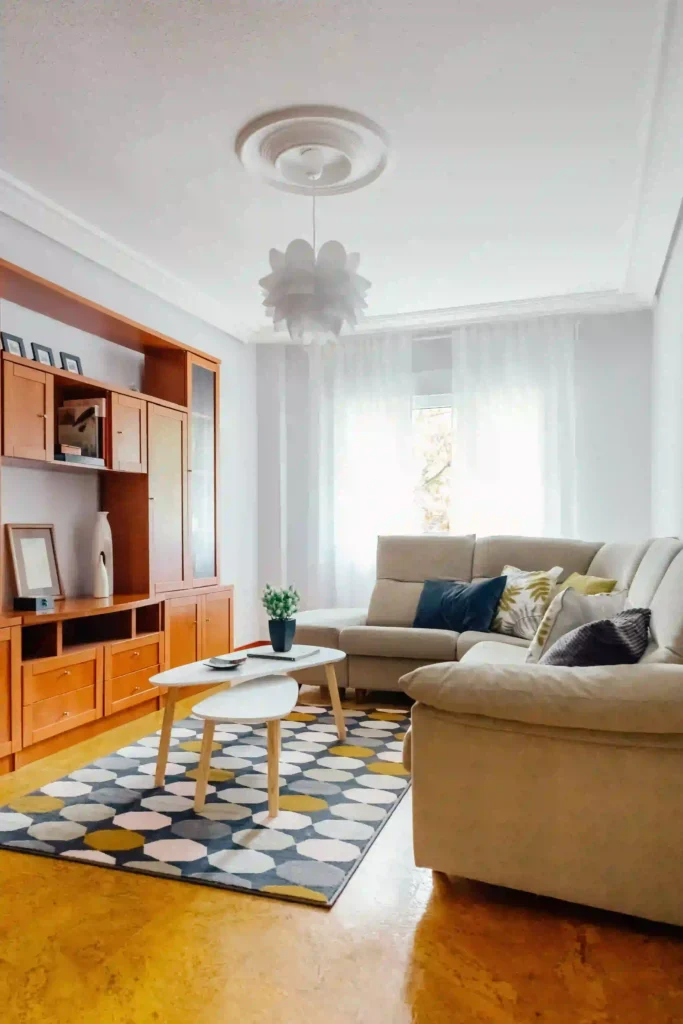
This simple trick enhances vertical space perception, especially in rooms with low ceilings, and complements neutral or pastel wall colors to make the entire area feel cohesive.
9. Matching Paint with Furniture
Harmonizing wall color with furniture helps small living rooms appear balanced and visually larger. Neutral walls paired with beige or gray sofas, light wooden tables, and soft accent pieces create a unified, calm environment.
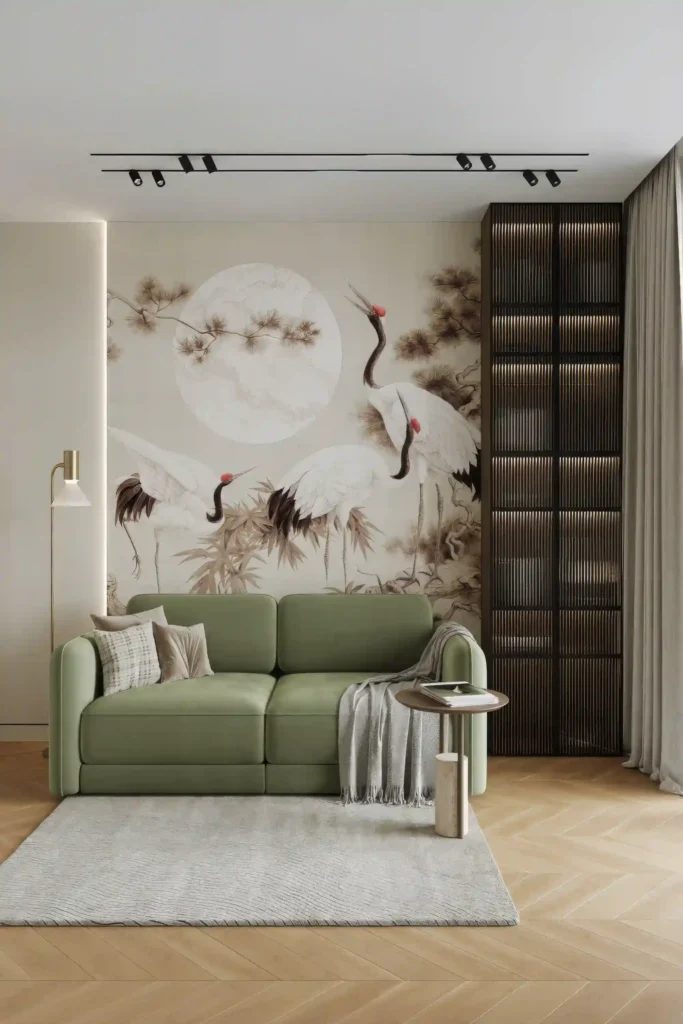
Coordinating paint and décor ensures that no element overwhelms the room. You can also use complementary accents like cushions, rugs, or artwork to enhance the paint’s effect while keeping the space cohesive and airy.
10. Common Painting Mistakes
Avoid dark colors on all walls, too many accent walls, or clashing tones that make the room feel chaotic. Overpainting ceilings in dark shades or choosing bold patterns can shrink a small space visually. Stick to light, harmonious colors and use accent techniques strategically.
Proper planning, testing paint swatches in natural light, and balancing furniture and décor with wall color are key to avoiding mistakes that make your small living room feel cramped.
FAQs
What color makes a small living room look bigger?
Light neutrals like beige, cream, soft gray, and pastel shades reflect light and open up the room visually.
Can I use dark colors in a small living room?
Yes, but only as an accent wall or small focal area; dark colors on all walls can make the space feel smaller.
How can I make a small living room feel cozier with paint?
Use warm neutrals or soft pastels, combined with textured finishes or accent walls, to add depth and comfort.
Is two-tone painting good for small living rooms?
Absolutely. Two-tone walls create dimension and style while visually expanding the space.
Should I paint the ceiling a different color?
Light colors or soft pastels on ceilings can make small rooms feel taller and more airy.