Growing elephant ear plant indoors is an easy way to upgrade your home decor.
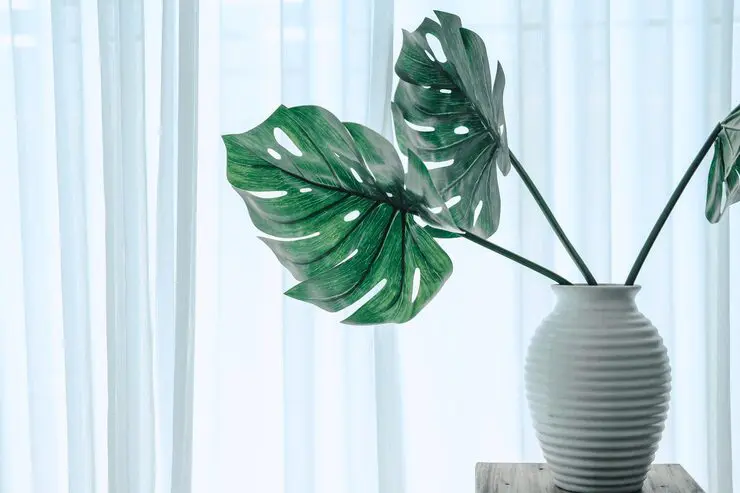
Their large, heart-shaped leaves make a bold statement in any room.
These tropical plants add a lush, green feel and can help improve air quality, making your home fresher and more vibrant.
Whether you have extensive plant experience or are just starting out, elephant ear plants are a great choice for adding a dramatic yet cozy touch to your space.
Table of Contents
Why Elephant Ear Plants Are Perfect for Indoors
Elephant ear plants are great for indoors because they are both stylish and adaptable. Their big, tropical leaves stand out and become a natural focal point in any room.
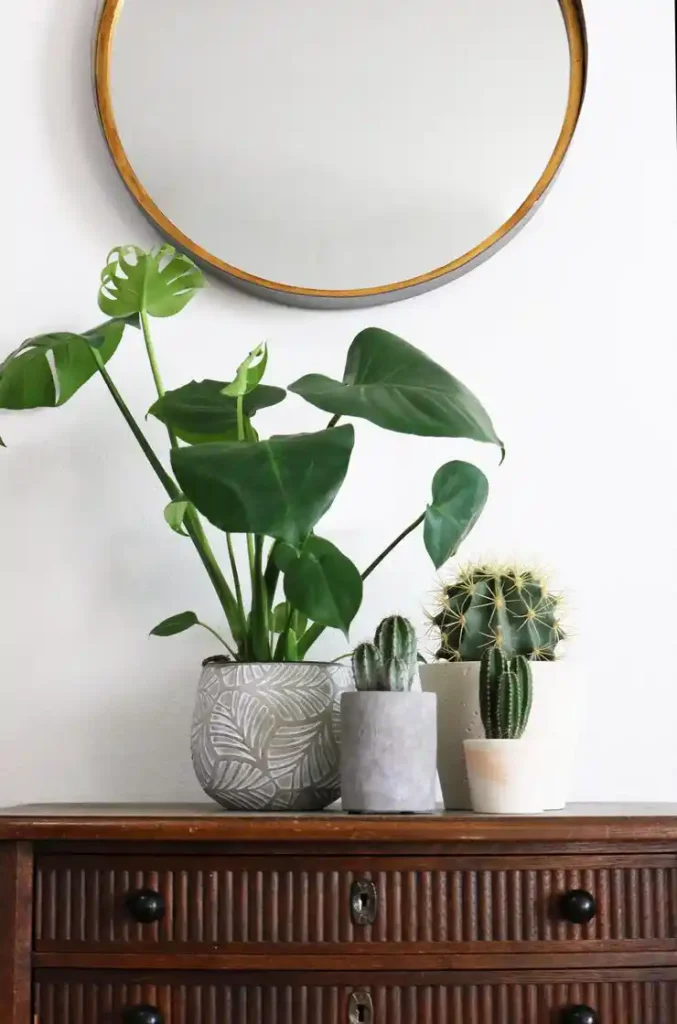
Unlike some houseplants that need a lot of attention, elephant ear plants do well with regular care and can handle the bright, indirect light found in most living spaces.
They also pair well with other tropical plants, helping you create a layered indoor jungle.
Choosing the Right Elephant Ear Variety for Indoor Spaces
Not every elephant ear plant is right for growing indoors. Choose compact types that will fit your space. Some popular options are:
- Alocasia Polly: Known for its striking dark green leaves with white veins.
- Colocasia ‘Black Magic’: Offers dramatic, almost black foliage that contrasts beautifully with lighter décor.
- Xanthosoma: Smaller, bright green leaves that bring a fresh tropical vibe.

Picking the right variety helps your elephant ear plant grow well without taking over your space, and it can match your décor style too.
How to Pot Your Elephant Ear Plant Indoor
Choosing the right pot is important for healthy growth. Elephant ear plants need pots with good drainage to avoid root rot.
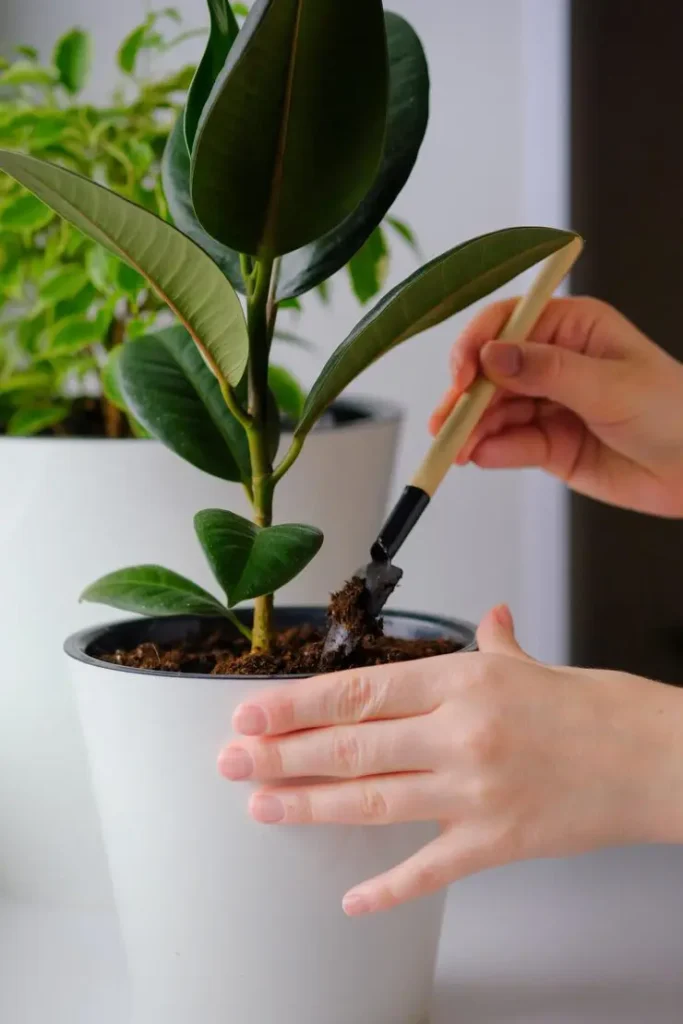
Terracotta or ceramic pots are best because they let the soil breathe and hold the right amount of moisture.
Make sure your pot is big enough for the roots to grow. Repot every year or when the plant gets too big. Use a mix of potting soil, peat moss, and perlite for good drainage and healthy plants.
Light Requirements for Thriving Indoor Elephant Ear Plants
Elephant ear plants do best in bright, indirect sunlight. Put them near an east or south window so they get enough light but are protected from harsh afternoon sun.
If your home doesn’t get much natural light, you can use a grow light. Good lighting helps your plant grow and keeps its big leaves looking impressive.
Watering & Soil Tips for Growing Elephant Ear Plant Indoor
Watering is very important for elephant ear plants. Keep the soil moist but not wet. Too much water can cause root rot, and too little can make the leaves droop.
Water when the top inch of soil feels dry. Use room-temperature water, and try bottom watering for even moisture.
Use rich, well-draining soil to help your plant grow strong and healthy.
Managing Humidity and Temperature for Indoor Growth
Elephant ear plants like humidity above 50%. You can raise humidity with a humidifier, a tray of water and pebbles, or by misting the leaves.
Keep the temperature between 65 and 75°F (18–24°C), and don’t put the plant near drafts or vents. A steady environment helps your plant grow well indoors.
Fertilizer & Nutrition Guide
To help your elephant ear plant grow, use a balanced liquid fertilizer every 4 to 6 weeks during the growing season.
Feed less in winter when the plant grows more slowly.
Good soil and regular feeding help your plant grow big, colorful leaves and stand out in your home.
Common Problems and Solutions
Even with good care, indoor elephant ear plants can have some problems:
- Yellowing leaves: Usually caused by overwatering or low light. Adjust the water schedule and reposition near indirect sunlight.
- Drooping leaves: Could indicate underwatering or low humidity. Increase moisture and humidity around the plant.
- Pests: Spider mites, aphids, and mealybugs are common. Use insecticidal soap or neem oil for safe indoor treatment.
Check your plant often and take care of problems early to keep it healthy and growing well.
Propagation Techniques for Indoor Elephant Ear Plants
It’s easy to grow more elephant ear plants indoors. The usual way is to divide the tubers when you repot.
Each piece should have healthy roots and at least one leaf. Plant them in fresh soil and keep the humidity up.
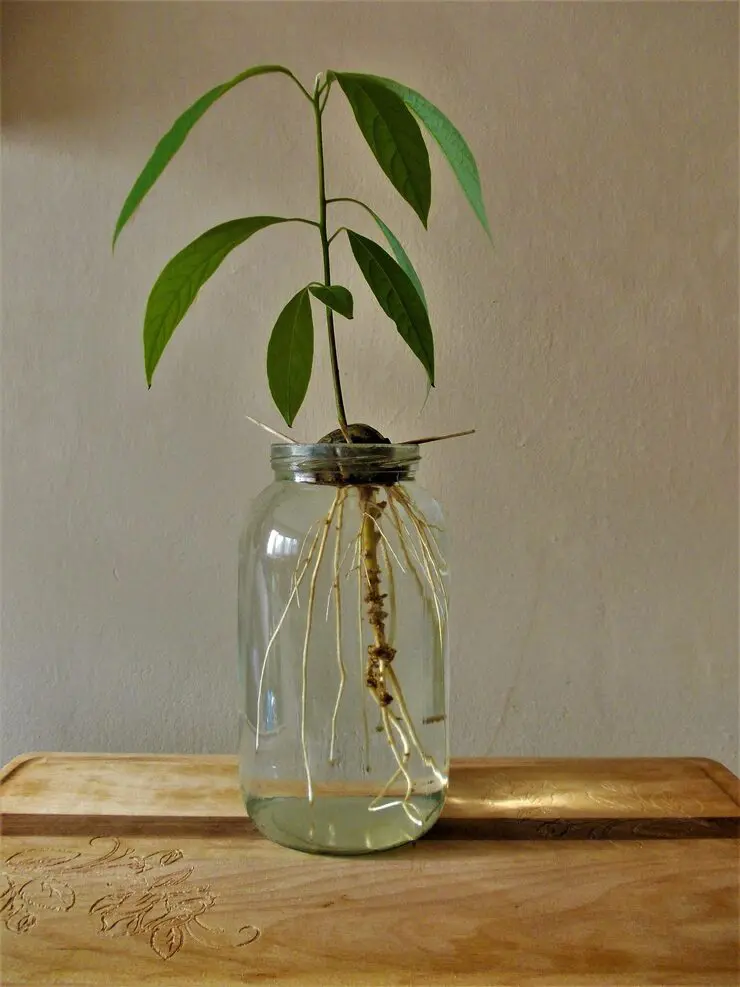
Propagating is a fun project and helps you grow your indoor plant collection.
Seasonal Care: Summer & Winter Tips
- Summer: Water more frequently and occasionally mist leaves to maintain humidity. Rotate the plant to ensure even light exposure.
- Winter: Reduce watering and keep the plant away from cold drafts. Elephant ear plants may go dormant; this is normal and helps them conserve energy for the next growing season.
Changing your care routine with the seasons helps your plant grow well and stay lush all year.
Styling & Placement Ideas for Your Indoor Elephant Ear
Elephant ear plants work well as décor in many spots. Put them in corners, near windows, or with other plants.
They look great with rattan furniture, neutral colors, or simple interiors. For a cozy, tropical look, group them with smaller plants and use textured pots.
Their big leaves stand out and make any space more lively.
Conclusion
Growing elephant ear plants indoors is a great way to add a tropical and stylish touch to your home. With the right light, watering, humidity, and seasonal care, your plant can thrive all year and become a bold, lush centerpiece. Whether in your living room, bedroom, or a cozy corner, this plant brings beauty and freshness to your space.
FAQs
Q: How often should I water my indoor elephant ear plant?
A: Water when the top inch of soil feels dry. Ensure soil is moist but not soggy.
Q: Why are my indoor elephant ear leaves yellow?
A: Likely due to overwatering, low light, or nutrient deficiency. Adjust care routines accordingly.
Q: How can I increase humidity for my indoor elephant ear?
A: Use a humidifier, pebble tray, or mist leaves regularly to maintain above 50% humidity.
Q: Can elephant ear plants survive low-light conditions indoors?
A: They prefer bright, indirect light. Low-light growth may slow, and leaves can lose vibrancy.
Q: How do I propagate elephant ear plants indoors?
A: Divide healthy tubers during repotting, plant in fresh soil, and maintain humidity.