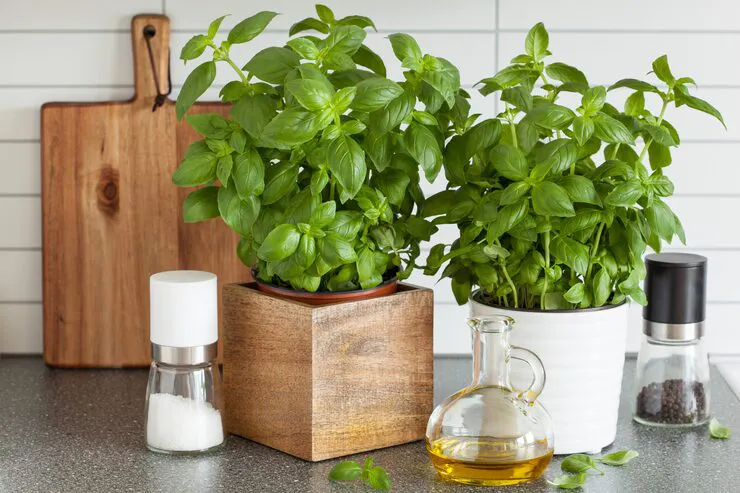
Growing a basil plant indoor is easier than you might think. It’s a great way to have fresh, fragrant herbs right in your kitchen.
Picture yourself picking bright green basil leaves just steps from your stove to add flavor to pasta, salads, or homemade pesto.
With some planning, the right pots, and a bit of care, your indoor basil can thrive all year, making your space and meals more enjoyable.
Table of Contents
Why Growing a Basil Plant Indoor Is Perfect for Your Kitchen
Indoor basil is more than just a cooking essential. It adds a touch of greenery and life to any kitchen.
Unlike store-bought basil that wilts quickly, your own plant gives you fresh leaves whenever you need them.
It’s perfect for small spaces, apartments, cozy kitchens, and growing your own herbs can be a fun and rewarding hobby.
The scent of fresh basil also brings a gentle, comforting aroma to your home.
Choosing the Best Basil Varieties for Indoor Gardening
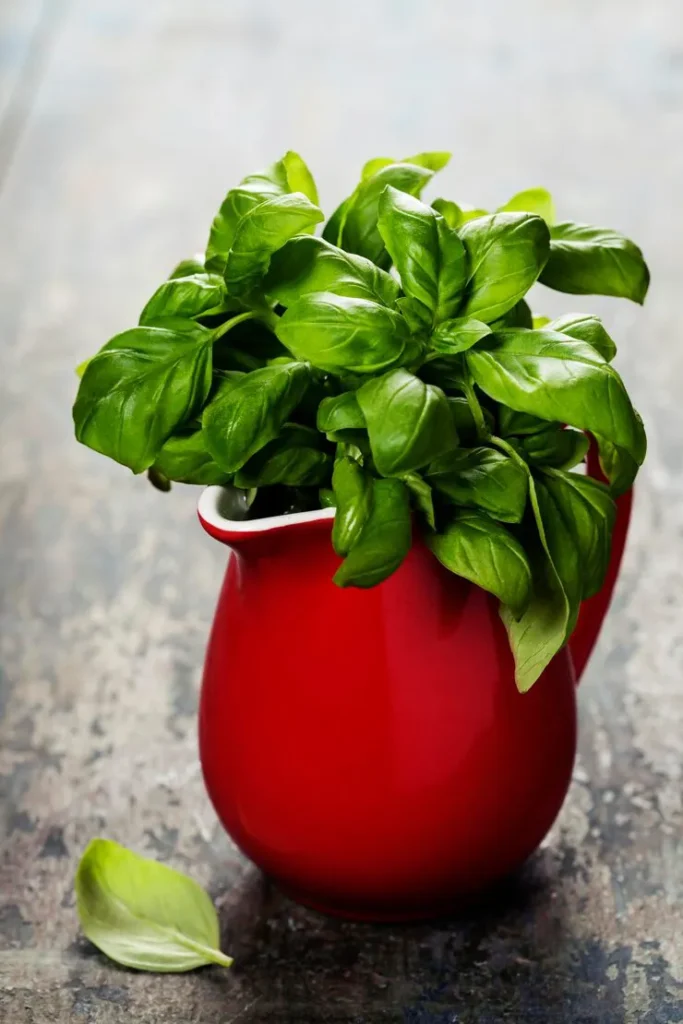
Not every basil variety grows well indoors. Sweet basil and Genovese basil are classic choices that are great for cooking and easy to care for.
Thai basil brings a unique flavor, and dwarf types are good if you have limited space.
When choosing your plant, pick healthy seedlings and think about which flavors you want in your kitchen. Starting with the right variety helps you succeed from the beginning.
Selecting the Right Soil and Pots for Indoor Basil
To grow healthy basil, start with good soil and a proper container. Use a potting mix that drains well and add some organic compost so the roots can breathe.
Avoid using heavy garden soil because it holds too much water and can cause root rot.
Make sure your pot has drainage holes, and place a small saucer underneath to protect your counter or windowsill from spills.
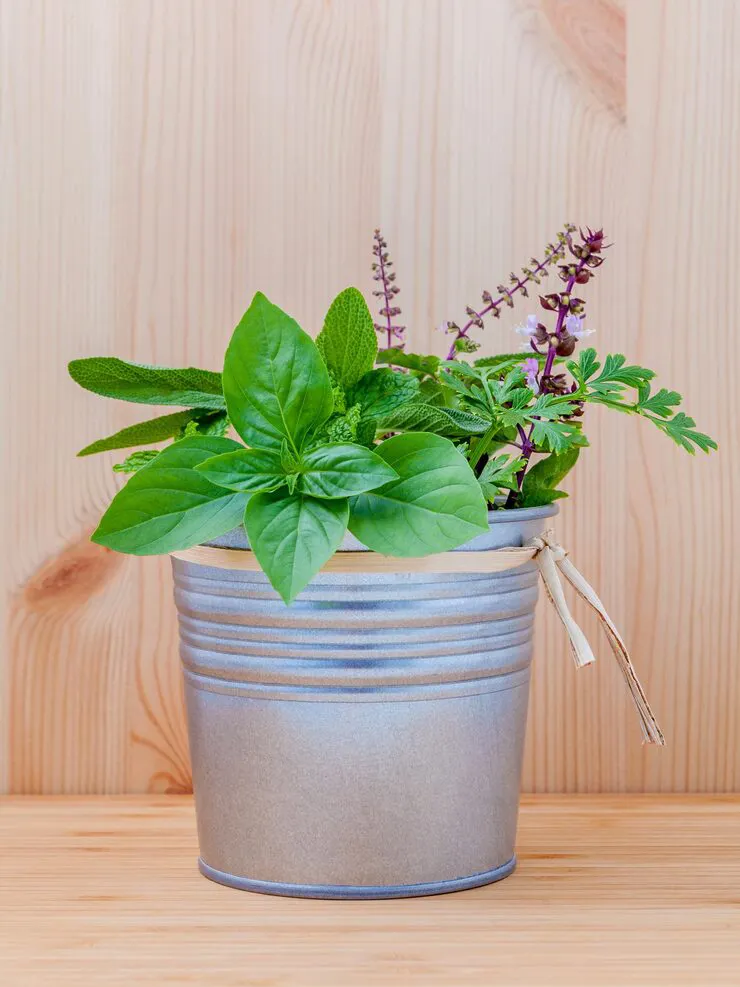
A nice ceramic or terra-cotta pot can also add charm to your kitchen.
How to Water and Fertilize Indoor Basil Correctly
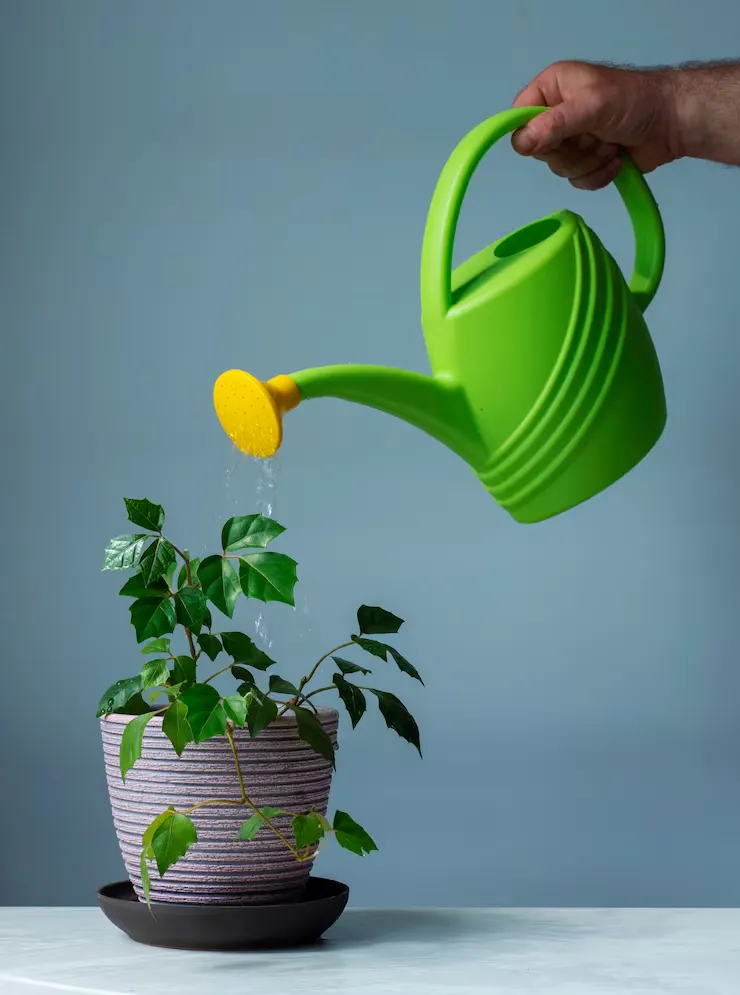
Basil loves consistent moisture but hates sitting in soggy soil. Water when the top inch of soil feels dry, making sure water drains freely.
Overwatering can lead to yellow leaves or root problems, so check your plant regularly. For healthy growth, fertilize every 4 to 6 weeks with an organic liquid fertilizer or diluted compost tea.
This keeps your leaves vibrant, flavorful, and aromatic.
Providing Optimal Light: Sunlight and Grow Lights
Light is essential for indoor basil. Ideally, place your plant on a south-facing windowsill where it can soak up 6–8 hours of sunlight a day.
If natural light is limited, a small LED grow light works beautifully. Rotate your pot every few days to ensure even growth, keep leaves lush, and prevent legginess.
Proper lighting boosts both flavor and leaf production.
Maintaining Temperature, Humidity, and Environment
Basil grows best in warm and slightly humid conditions. Keep your indoor temperature between 65 and 75°F (18 to 24°C).
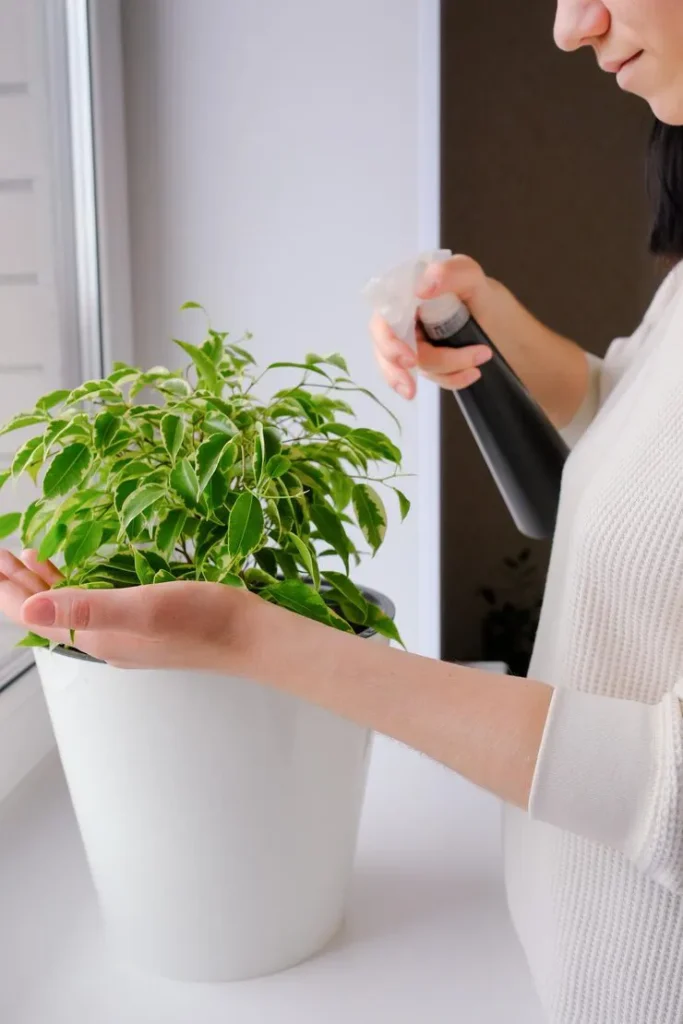
Don’t put your plant near drafts, air conditioners, or heaters. If your home is dry, especially in winter, use a humidity tray or mist the plant to help it grow.
Keeping the environment steady helps your basil stay healthy all year.
Common Pests and Problems of Indoor Basil
Indoor plants can still have problems. You might see aphids, spider mites, or fungal infections, but natural solutions like neem oil or insecticidal soap can help.
Make sure your plant gets enough airflow and avoid overwatering to prevent most issues.
Check the leaves often for damage and remove any affected parts to help new growth.
Pruning, Harvesting, and Using Your Indoor Basil
Harvesting basil regularly keeps it growing strong. Pinch off leaves just above a leaf node to encourage a bushier plant.
Use your fresh leaves in salads, pastas, soups, or homemade pesto. Unlike store-bought basil, indoor-grown basil retains its flavor and fragrance, giving you endless culinary possibilities.
Pruning doubles as a way to shape your plant and keep it looking beautiful on your windowsill.
Propagating Indoor Basil from Cuttings
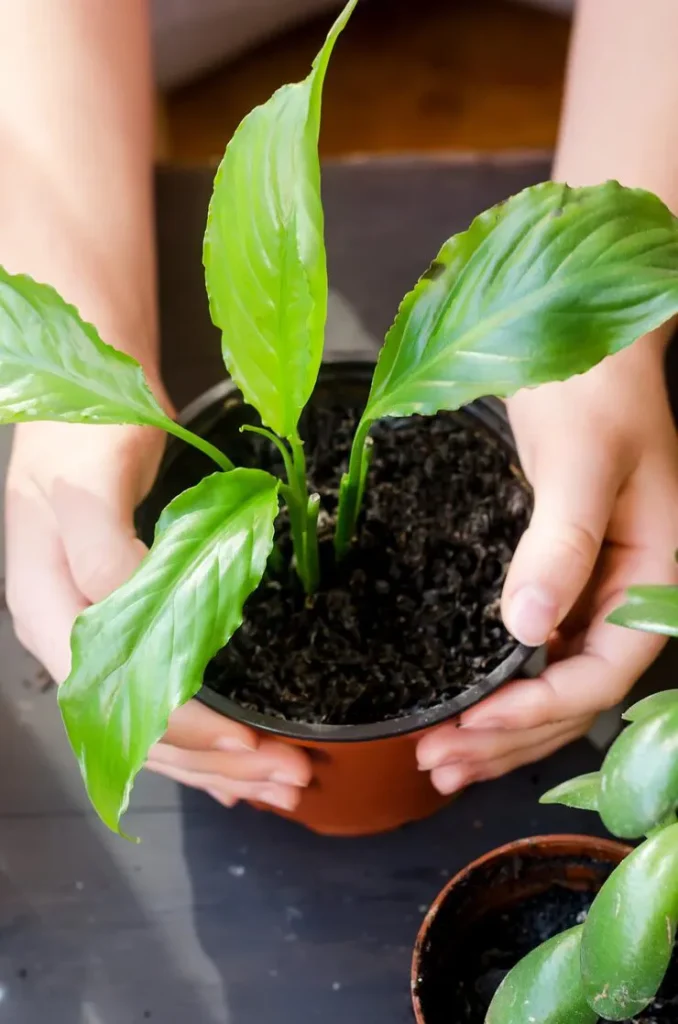
If you want to expand your indoor herb garden, basil is easy to propagate. Take a healthy stem, place it in a glass of water, and watch roots form in a week or two.
Once rooted, transfer it to a pot with fresh soil. Propagating not only gives you more plants but also keeps your garden vibrant and full of life.
Troubleshooting: Why Your Indoor Basil May Not Thrive
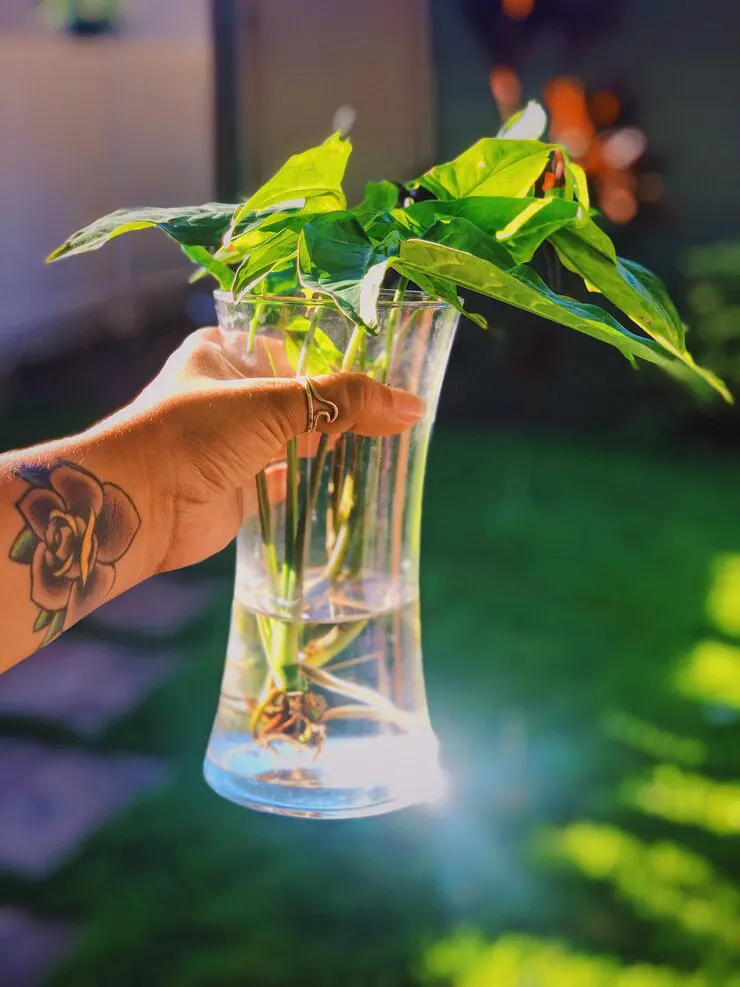
If your basil isn’t growing as expected, check a few key factors. Yellow leaves usually signal overwatering or poor drainage. Leggy stems may indicate insufficient light.
Adjust watering schedules, check your soil, and consider moving your plant closer to a light source.
Small tweaks often make a big difference, helping your indoor basil thrive and look gorgeous on your kitchen counter.
DIY Indoor Herb Garden Ideas for Small Spaces
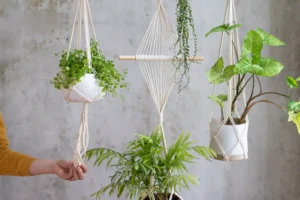
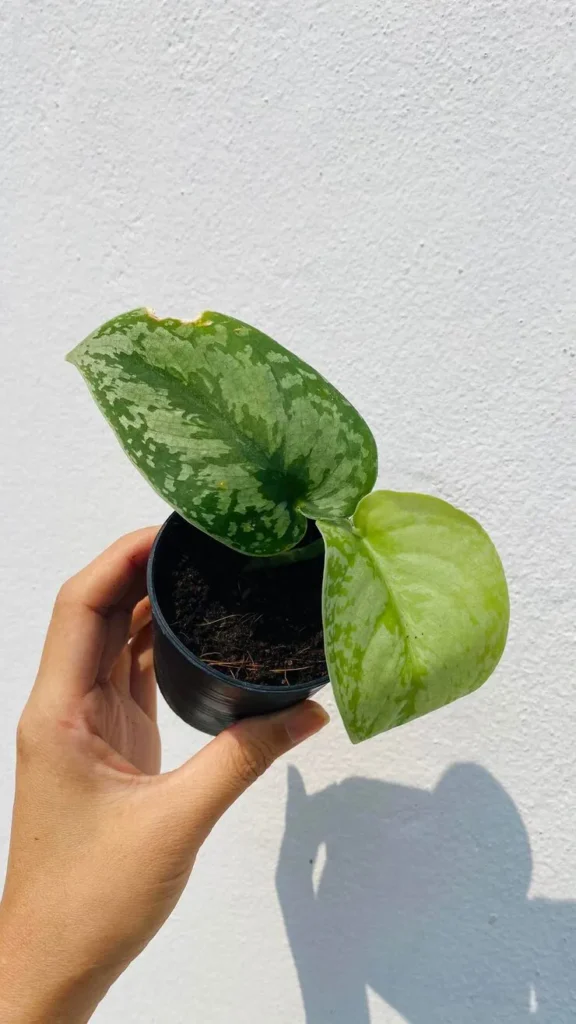
Even small kitchens can have a charming indoor herb garden. Use tiered plant stands, hanging planters, or shelf setups near windows.
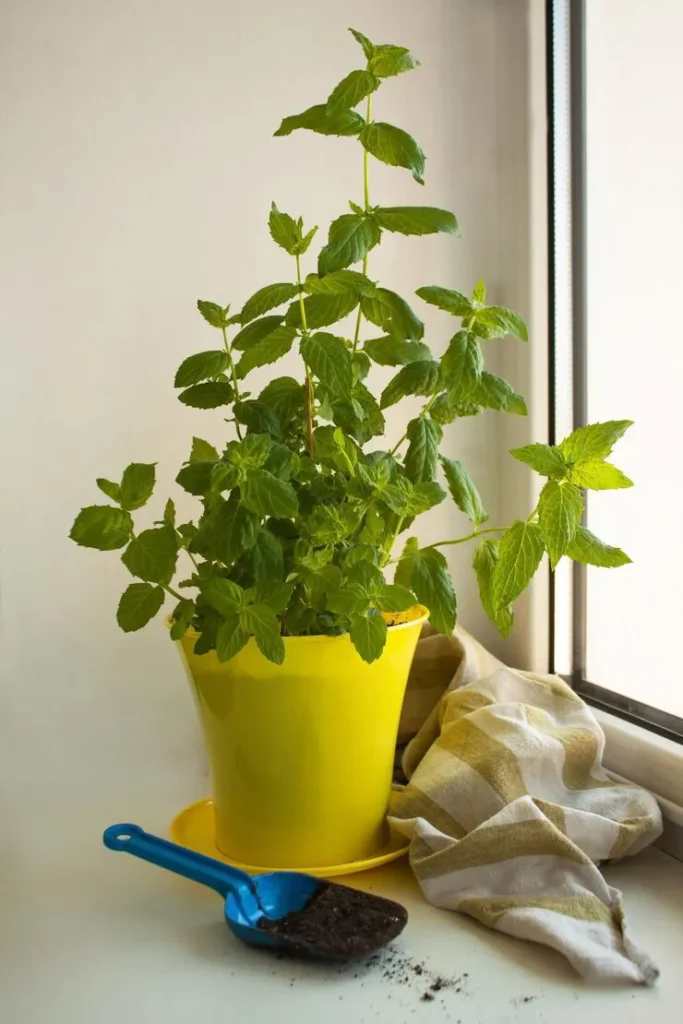
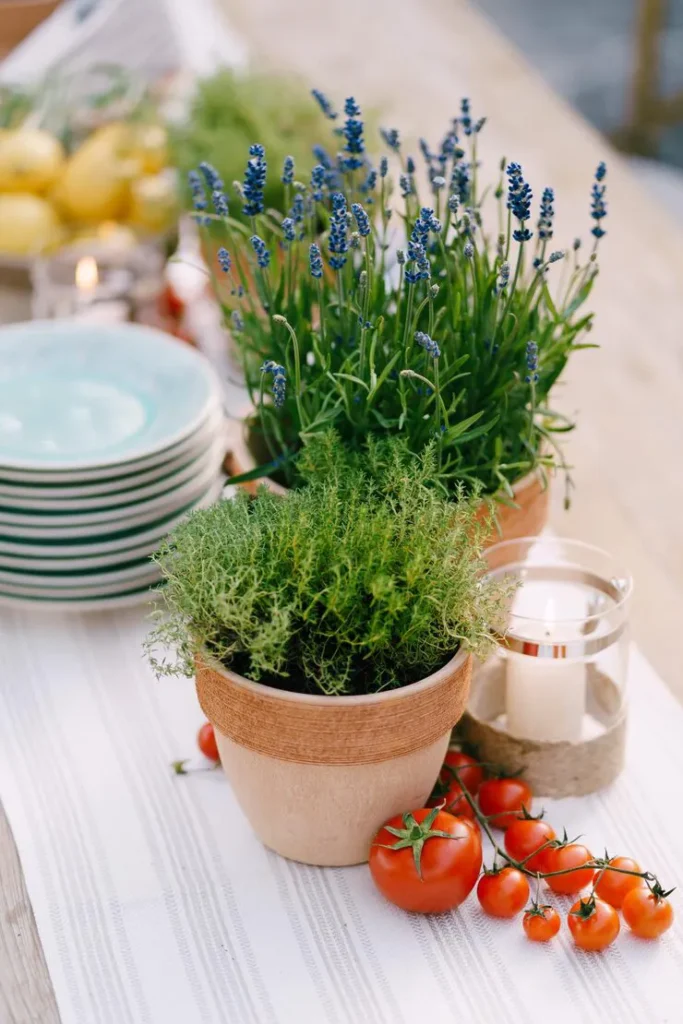
Mix basil with other herbs like thyme, rosemary, or mint for variety.
Decorative pots, labels, and cute trays add personality, turning your indoor garden into a Pinterest-worthy feature that’s both functional and beautiful.
Conclusion
Growing a basil plant indoor is not only easy—it’s a rewarding way to bring life, aroma, and flavor into your home.
With the right soil, light, and care, your basil can flourish year-round, enhancing your kitchen, cooking, and indoor décor.
Whether you’re a DIY lover, a Pinterest enthusiast, or simply want fresh herbs on demand, indoor basil is a must-have plant for every home.
FAQ’s
How do I keep my basil plant alive indoors?
To keep your basil healthy indoors, put it in a bright spot where it gets at least 6 to 8 hours of light each day. Water it when the top inch of soil feels dry, and make sure the pot drains well. Prune it often to help it grow new leaves and stay bushy.
Does basil grow well indoors?
Yes, basil can grow well indoors if it gets enough light, warmth, and water. It’s one of the easiest herbs to grow inside and does well on windowsills, countertops, or under grow lights if you care for it regularly.
Does basil need direct sunlight?
Basil likes bright, direct sunlight for several hours each day, especially from a south-facing window. If you don’t have enough sunlight, you can use an LED grow light to keep your plant healthy.
How long will a basil plant live indoors?
With good care, a basil plant can live indoors for 6 months or even longer. Harvesting often, giving it enough light, and watering it properly will help it stay healthy and keep growing fresh leaves.